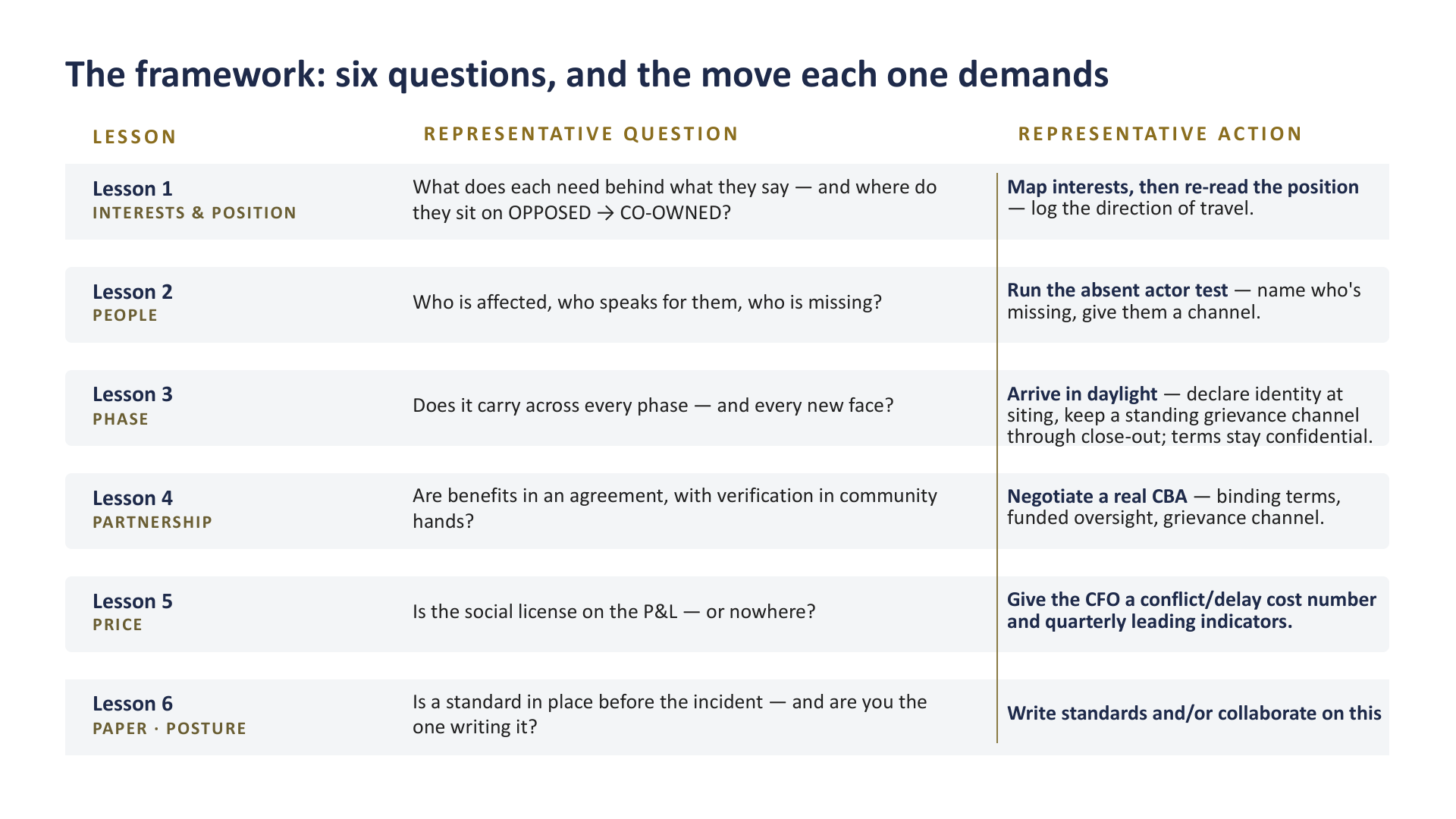
AI Infrastructure Buildout: Perspectives and Conflicts
Prof. Andre Calmon · Scheller College of Business · Ray C. Anderson Center for Sustainable Business
Intelligence: the mental ability to learn, understand, reason, solve problems, and adapt to new situations.
ChatGPT 5.6 Sol · “create a high-definition image of how you see yourself”
Self-portrait: ChatGPT 5.6 Sol, prompt “create a high-definition image of how you see yourself,” generated Aug 25, 2026 (course materials). Definition: course deck (pptx s3).
2
How are you using AI?
Was there some use of AI that really surprised you?
xAIGeminiKimi
Marks belong to their owners; shown for classroom identification. DeepSeek and Microsoft Copilot logos via Wikimedia Commons.
3
Part 1 of 3
Situational awareness.
4
All that you touch You Change. All that you Change Changes you. The only lasting truth is Change.
Octavia Butler, Parable of the Sower
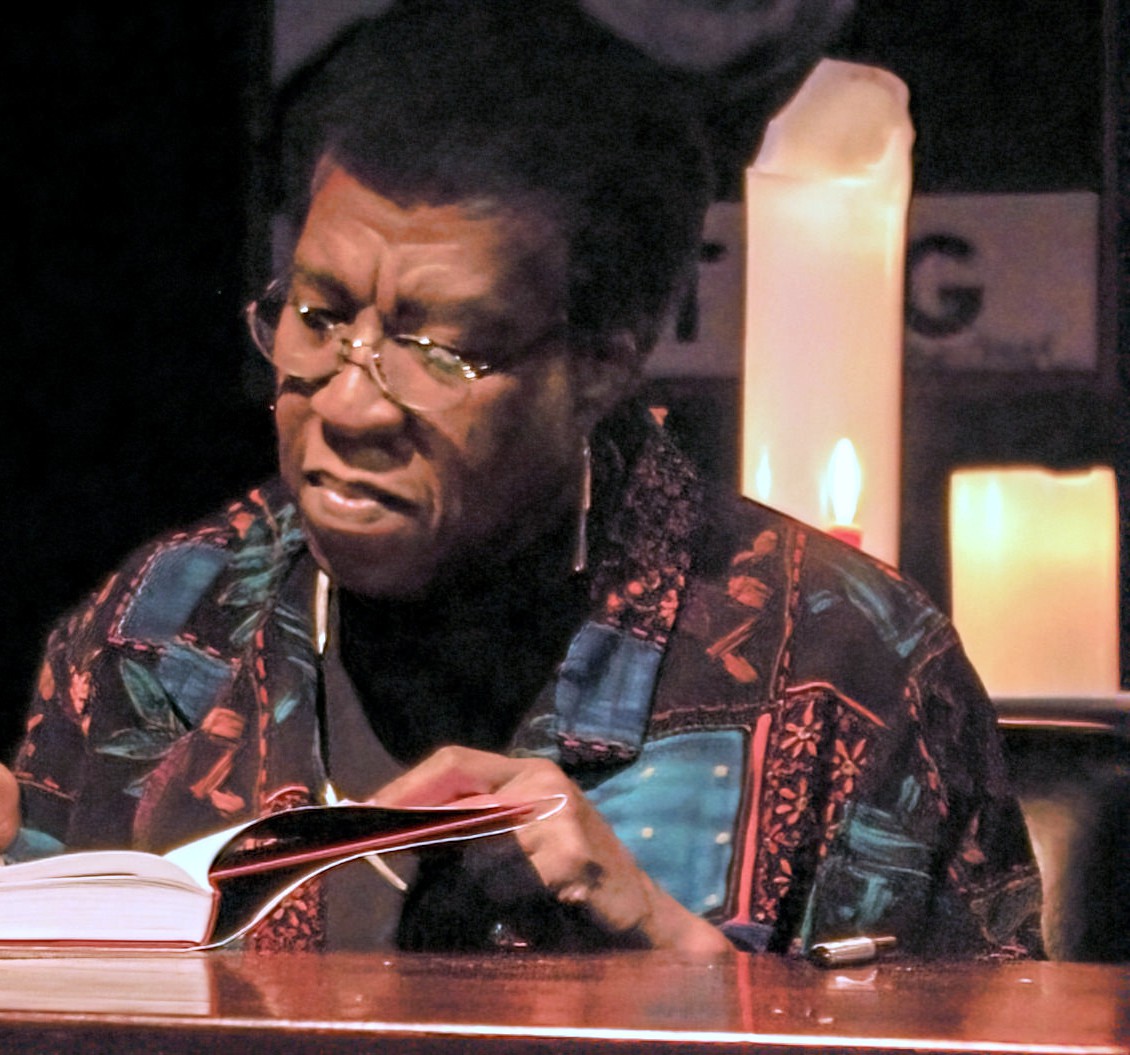
Octavia Butler, 2005
Octavia E. Butler, Parable of the Sower (1993). Quoted in course deck (pptx s4). Photo: Nikolas Coukouma, 2005, CC BY 2.5, via Wikimedia Commons.
5
The recipe
The winning recipe to brew Artificial Intelligence combines:
1
an adequate Machine Learning model/architecture
2
a large enough training dataset
3
enough computing power to train (fit) your model on the data
Recipe: course deck (pptx s18); headline wording and ingredient order per A. Calmon, Aug 2026.
6
Ingredient 1 · Machine learning
AI is getting machines to do intelligent tasks. Machine learning is learning patterns from data, typically in a training set that is representative of a real world task.
Artificial intelligence
Machine learning
Deep learning
Definition: course deck (pptx s6), verbatim.
7
The year is 1998
Cell phones look like this.
Microsoft is the biggest name in tech.
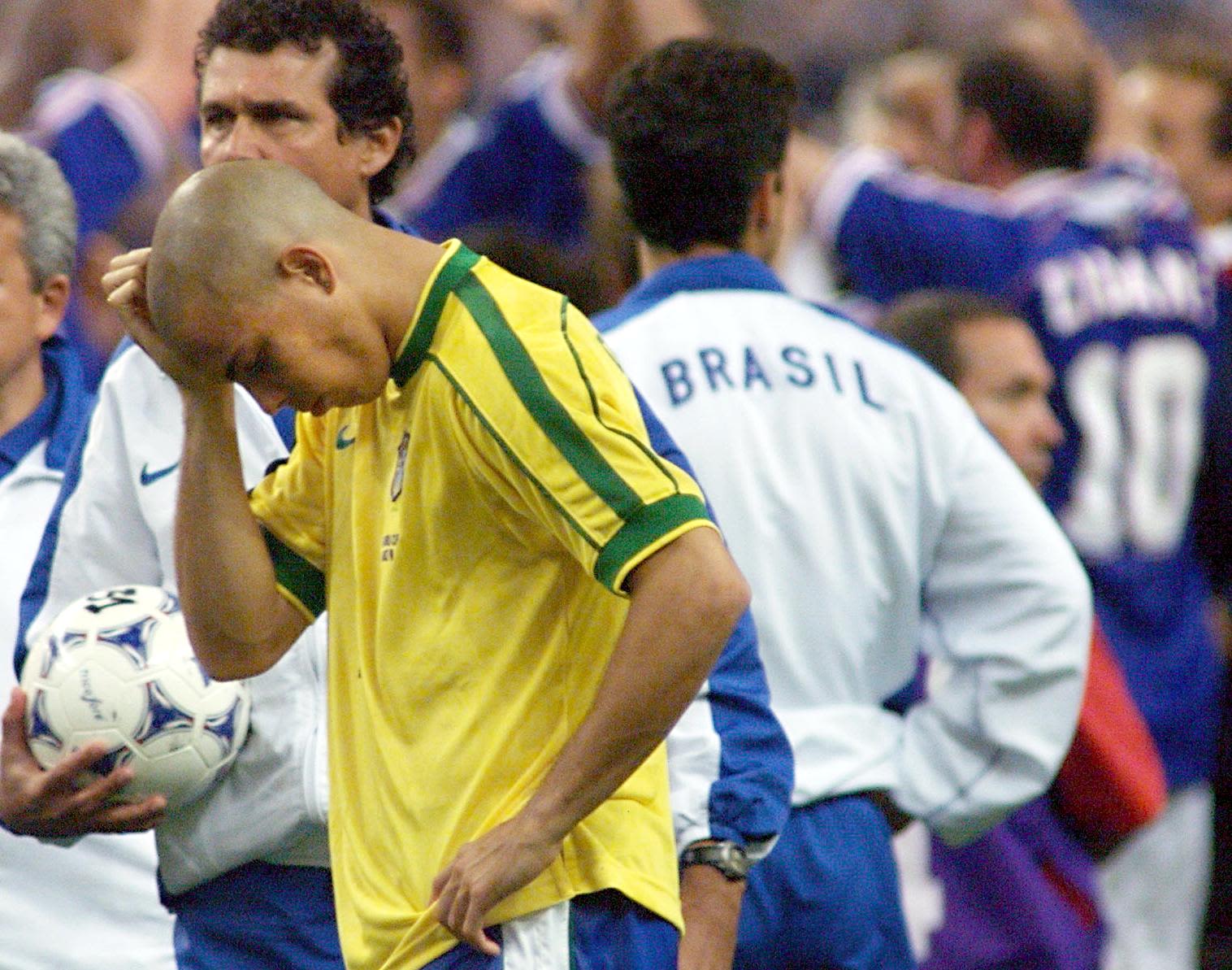
Brazil loses the World Cup final to France.
Google is founded.
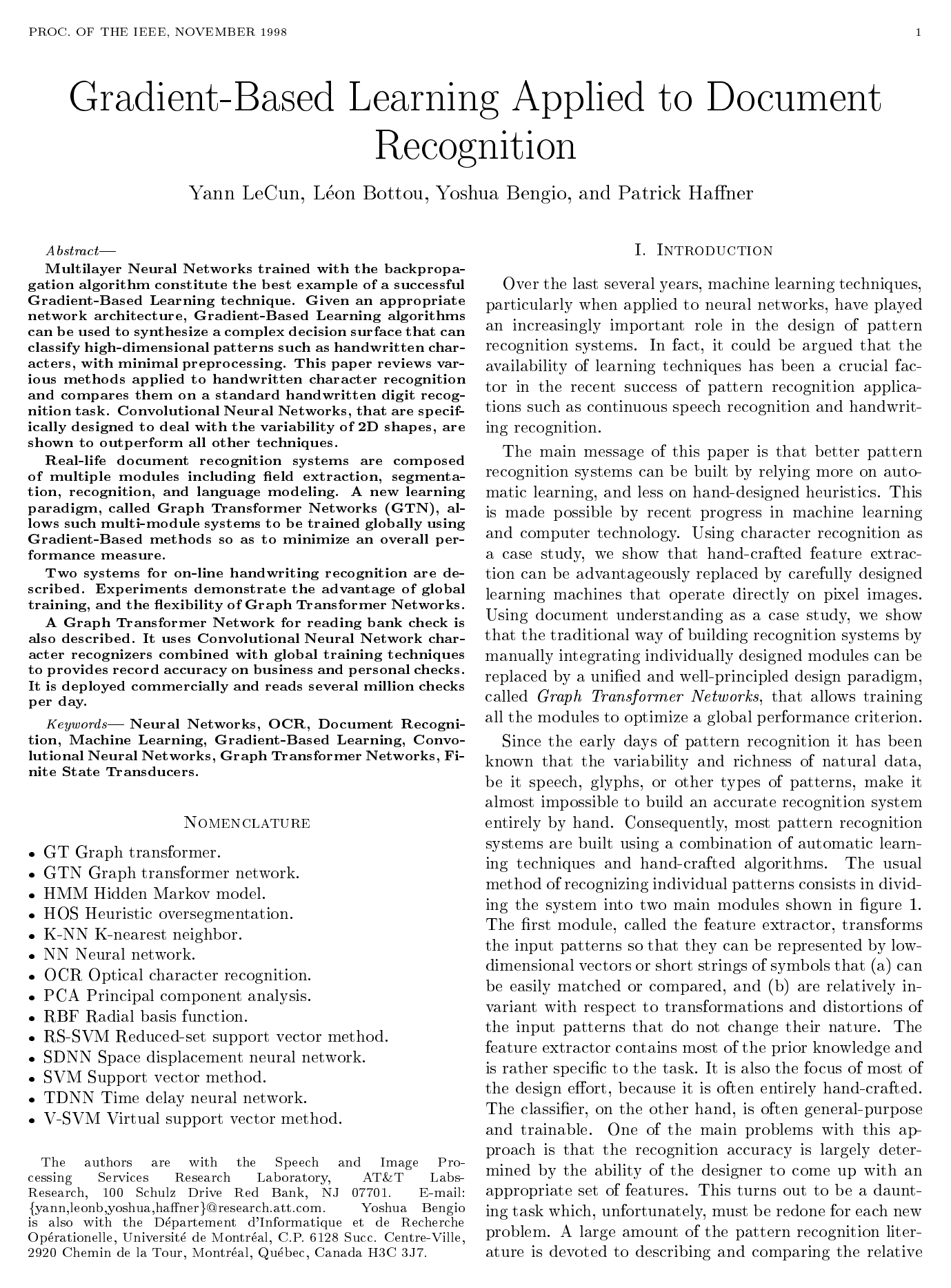
LeCun, Bottou, Bengio & Haffner · Proceedings of the IEEE, 1998
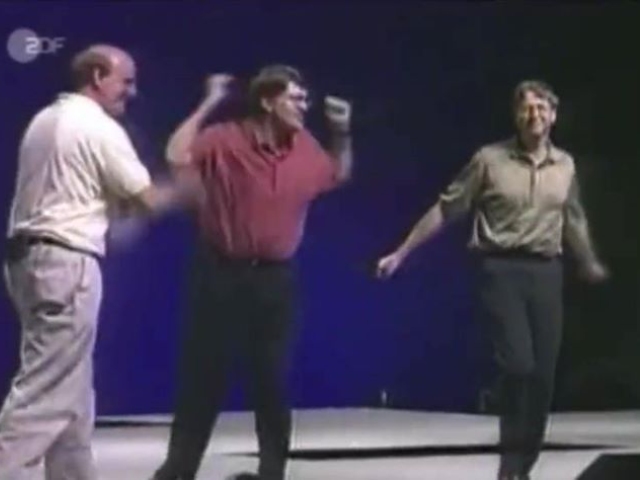
Facts: course deck (pptx s7), verbatim. Images: course materials — 1998-era handset; Ballmer and Gates on stage (1998); Ronaldo after the France–Brazil final (1998); original Google logo (1998); LeCun, Bottou, Bengio & Haffner, “Gradient-Based Learning Applied to Document Recognition,” Proc. IEEE (1998), first page.
8
Learning patterns from data
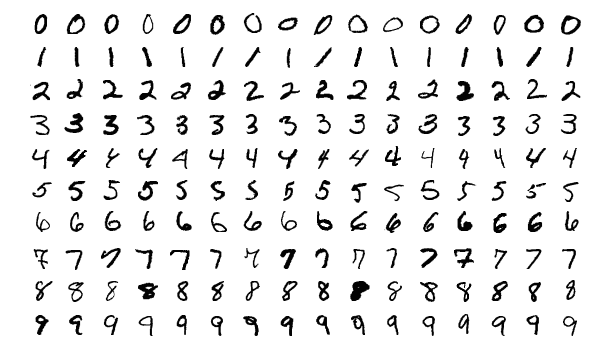
Training dataset · input + label
label 0label 1label 4label 6label 7
…plus a few more tens of thousands of examples.
Machine learning model
≈ 10,000 adjustable dials (the parameters)
Predictions
Predicted 0true label 0
Predicted 1true label 4
error: change the model parameters
Predicted 7true label 7
an example it has never seen
Training run
60,000examples seen · repeat this process tens of thousands of times
Training = fitting the parameters of a complicated function to the data (just like regression).
Are neural networks like the human brain?Not even close…
Animation: course build on MNIST (LeCun et al.); digits: MNIST dataset.
9
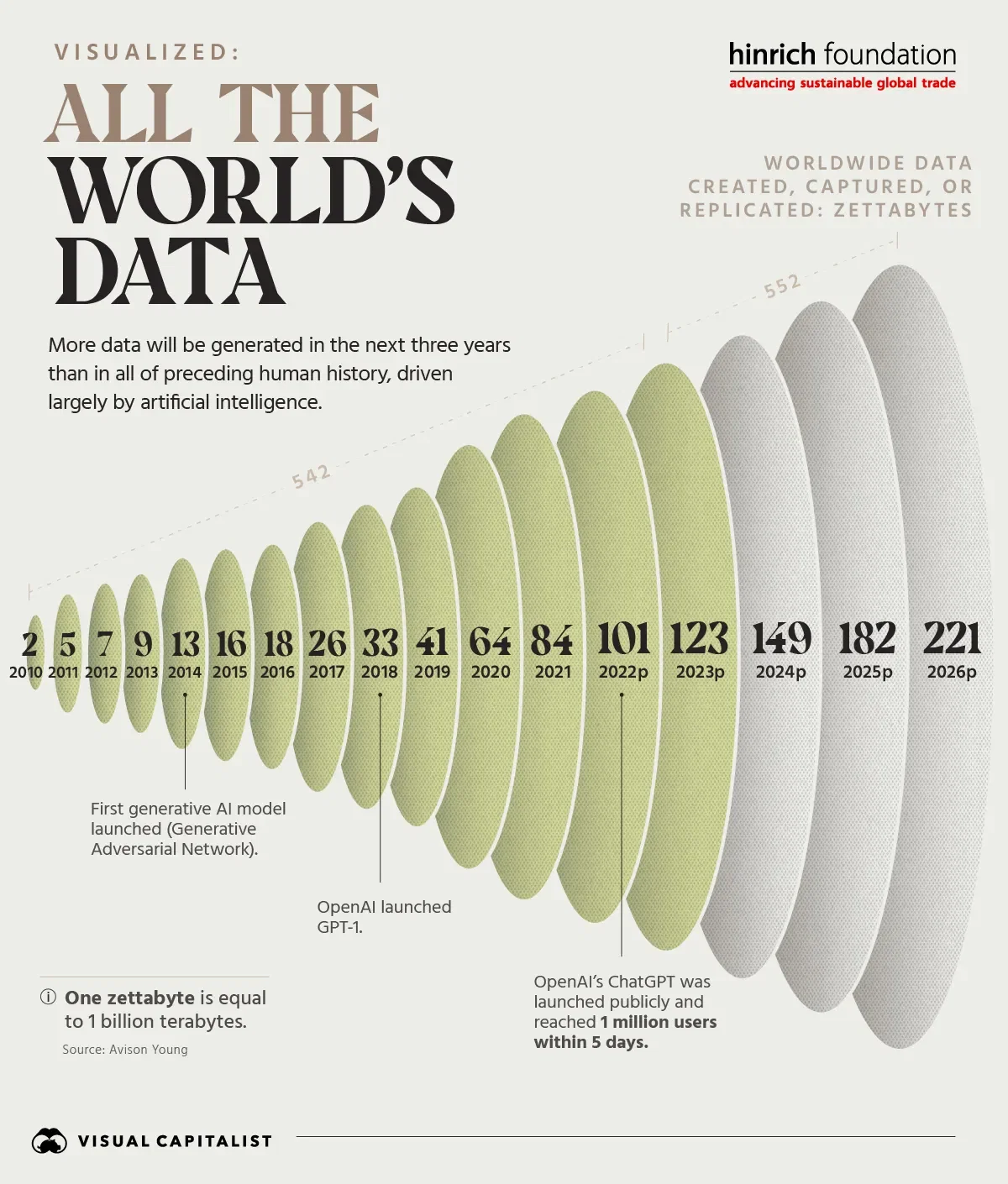
Ingredient 2 · Data
“I want you to think about data as the next natural resource.”
Ginni Rometty, IBM CEO, 2013
Quote: Ginni Rometty, IBM CEO, 2013 (pptx s21). Chart: “All the World’s Data,” Visual Capitalist × Hinrich Foundation (course materials).
10
Ingredient 3 · Compute
An exponential growth of compute power and efficiency.
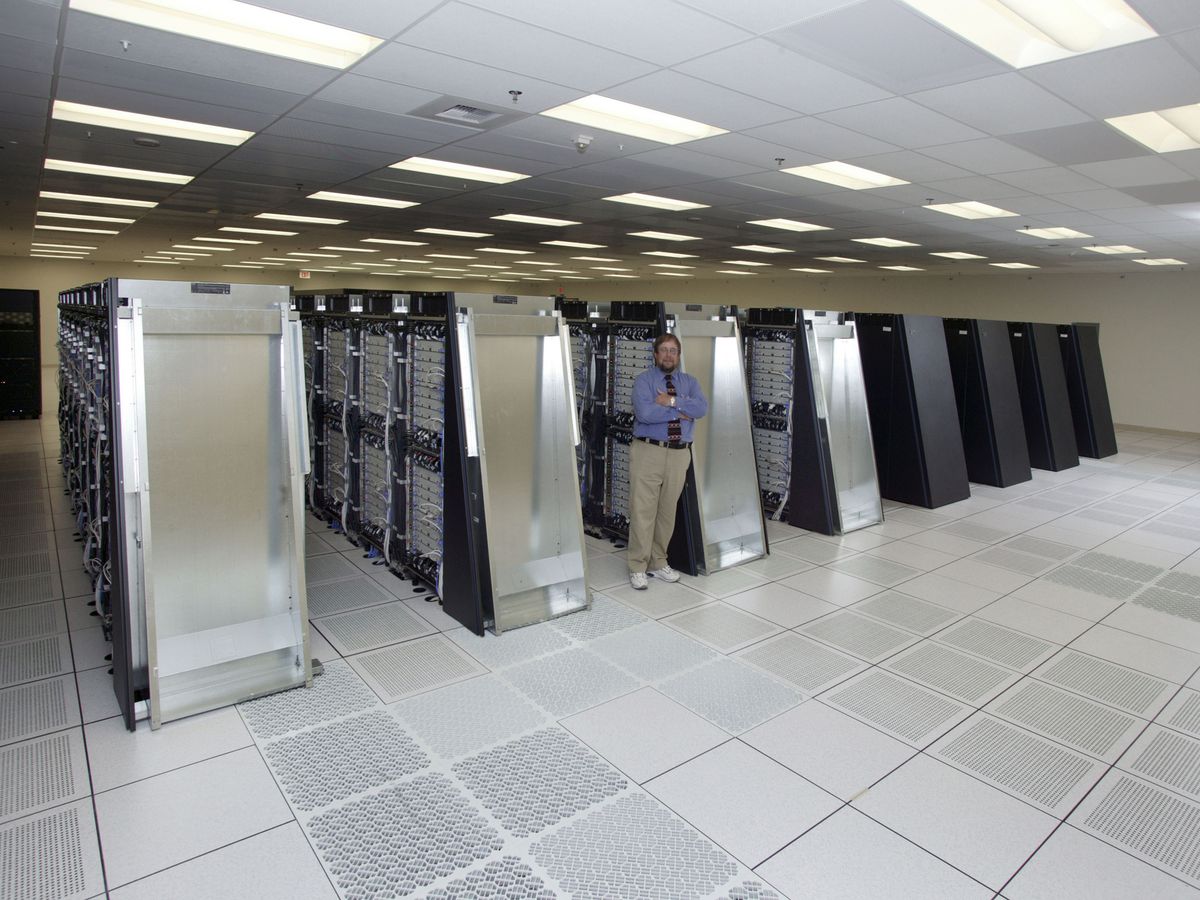
IBM Blue Gene/L · 2006
367 TFlops
$100M · fastest computer on earth
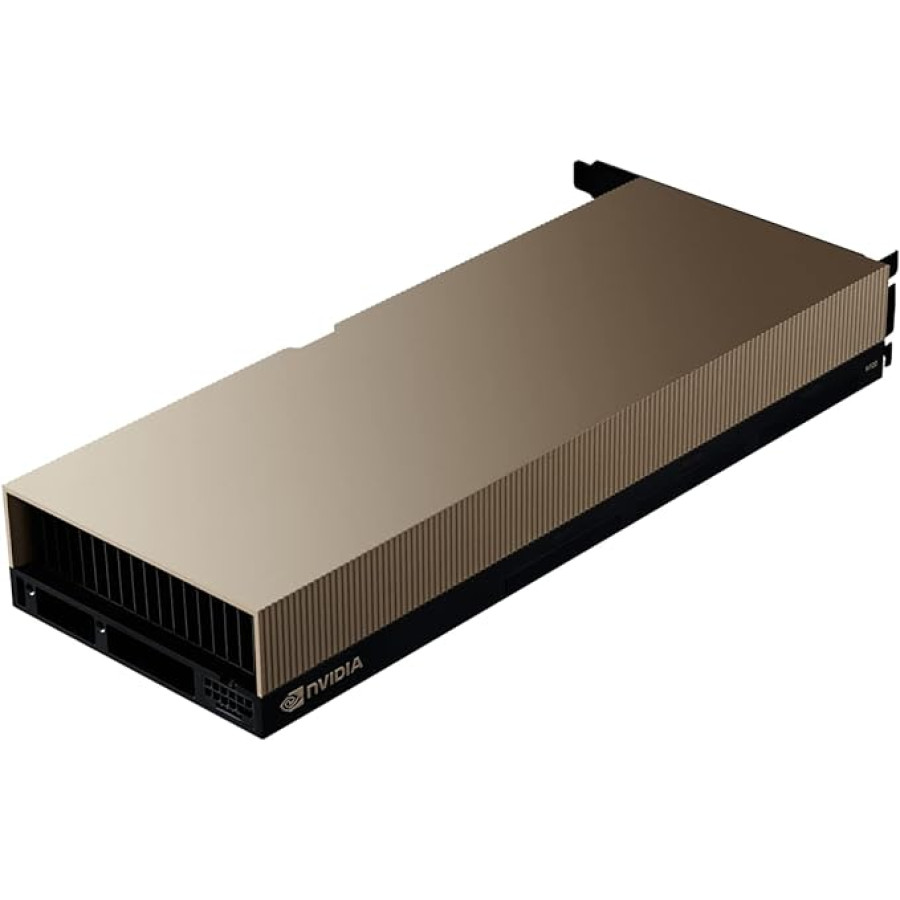
One Nvidia H100
1,000 TFlops
$30k
~5,500× less energy per unit of compute
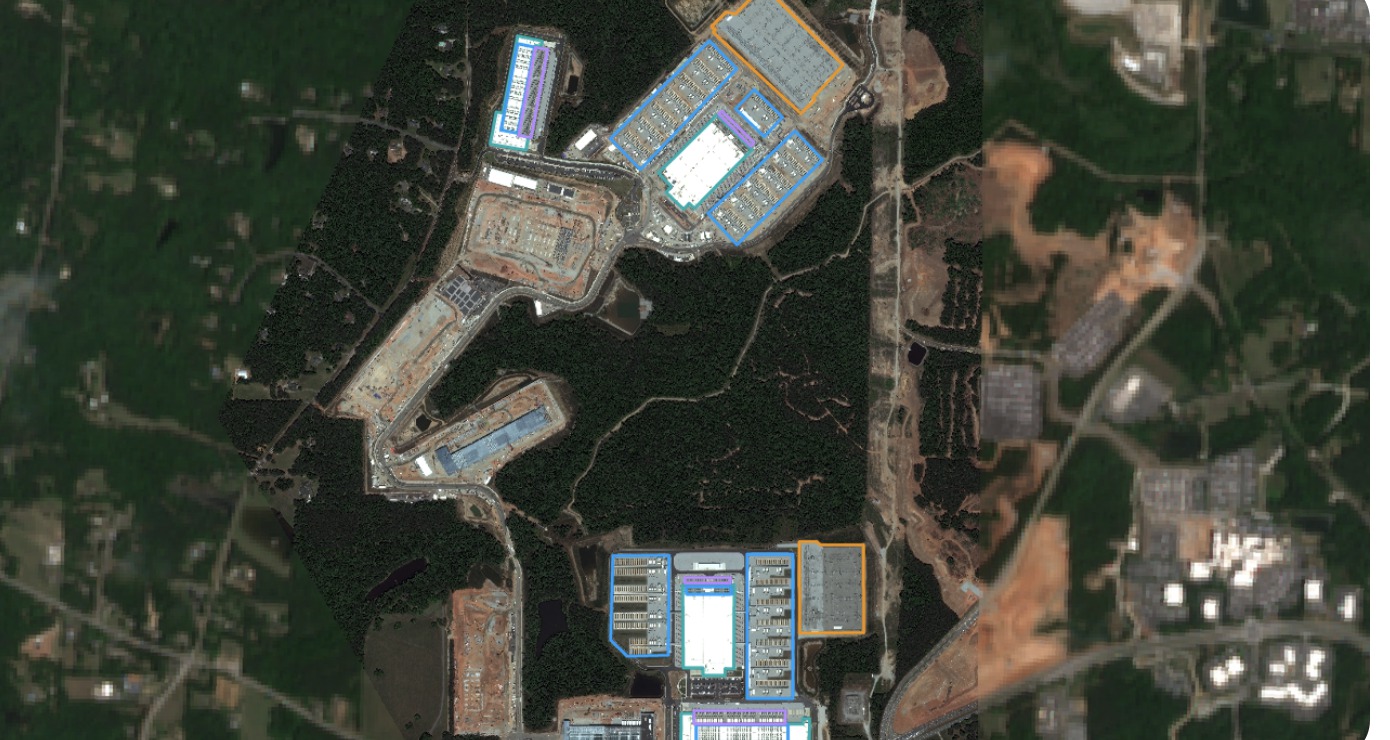
Microsoft Fairwater Atlanta · Fayetteville, GA
769k H100e · 636 MW
second-largest tracked site on earth
xAI Colossus 2 · Memphis
1,112k H100e
the largest
83 frontier sites tracked
14.4M H100e
×3.4 a year → 100M around 2028
Blue Gene/L vs H100: course deck (pptx s22); photos: course materials (Blue Gene/L machine room; Nvidia H100). Sites: Epoch AI, AI Data Centers dataset, updated Aug 25, 2026 — Fairwater Atlanta (Fayetteville, GA) 769k H100e, 636 MW; xAI Colossus 2 (Memphis) 1,112k H100e; 14.4M H100e across 83 sites; chip stock ×3.4/yr. Satellite inset: Epoch AI (CC-BY), imagery May 13, 2026.
11
The industry’s bet: more data + more compute = more value.
machine learning + data + computing + experimentation = exponential innovation and improvement rate
Flywheel and bet: course deck (pptx s23–s24).
12
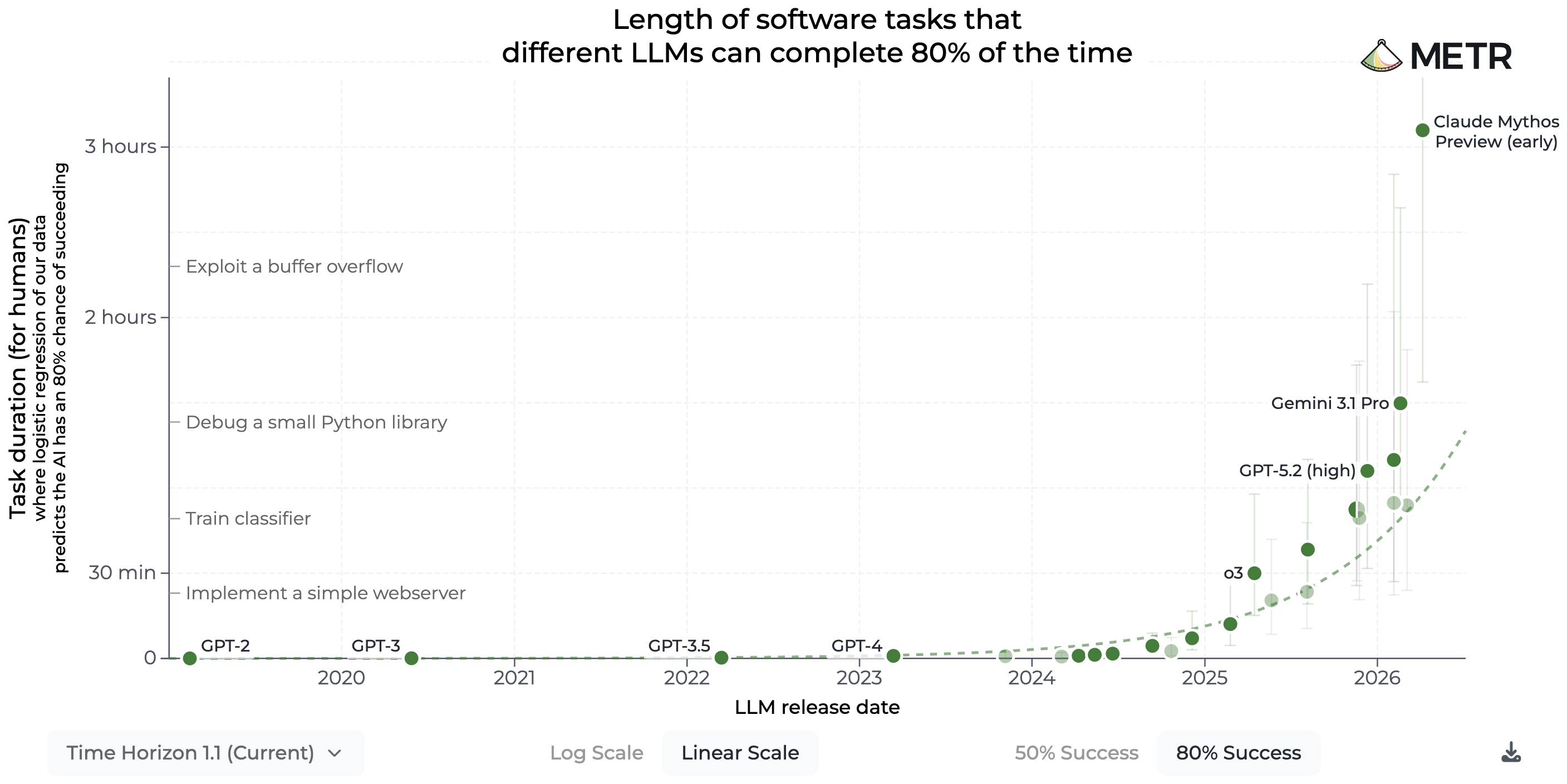
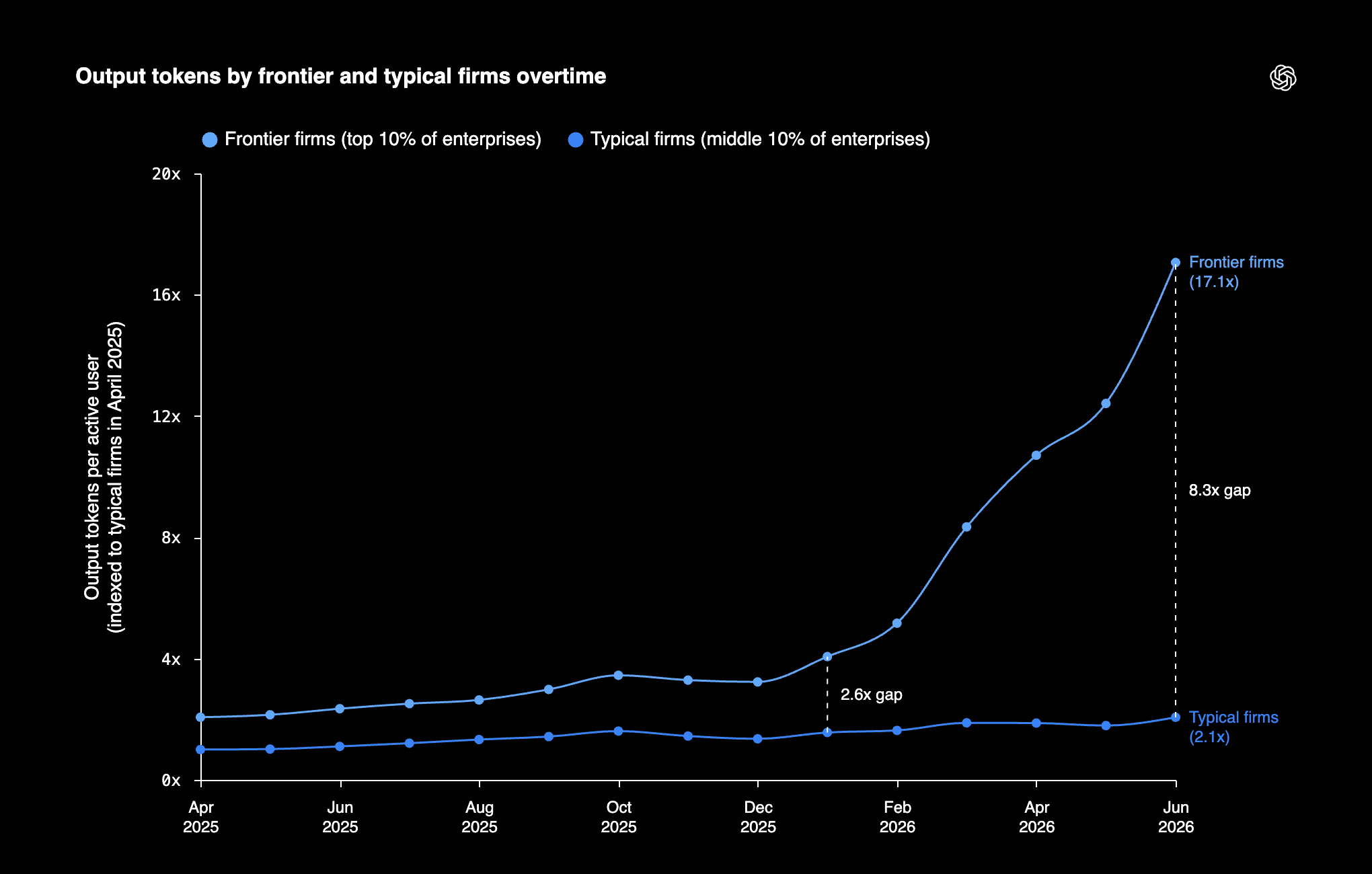
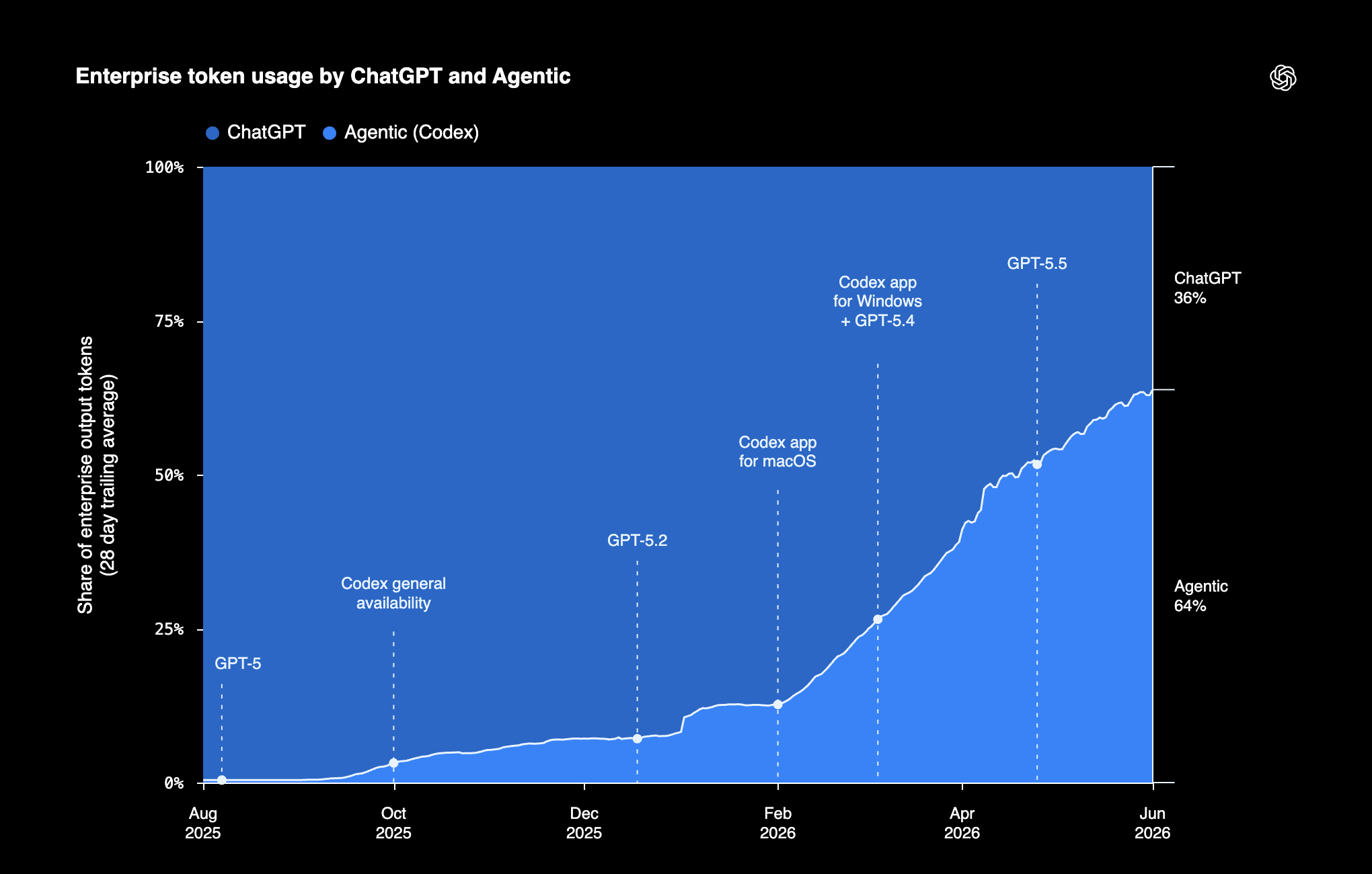
Capability is improving fast on measured tasks, and usage is compounding on top of it.
Left: METR, task-completion time horizon (80% success), 2026. Right: output tokens by frontier and typical firms over time, and enterprise token usage — course deck (pptx s25–s26).
13
Unbundling intelligence
Inductive · pattern recognition
Creative · generative search
Output verification is expensive
Output verification is cheap
Approaching human
Content moderation
Emerging
Creative writing
AI is superhuman
Accounting · most programming tasks
Near superhuman
Math · games like chess and Go
How is AI entering your organization?
Will AI create or destroy jobs in your organization?
Human accountability remains across all operating modes.
Framework: A. Calmon, “Unbundling intelligence” 2×2 (pptx s27); quadrant examples and capability levels per A. Calmon, Aug 2026.
14
Part 2 of 3
The physical footprint of AI.
Every AI answer is a physical event somewhere.
15
“The most surprising thing has been the lack of public recognition of how close we are to the end of the exponential.”
Dario Amodei, CEO of Anthropic · Dwarkesh Podcast, 2026
Dario Amodei
Dario Amodei, Dwarkesh Podcast, 2026 — episode “We are near the end of the exponential”; quote verbatim per the episode transcript (Dwarkesh folder). Photo: TechCrunch Disrupt 2023, CC BY 2.0, via Wikimedia Commons.
16
Epoch AI’s four trend lines, August 2026
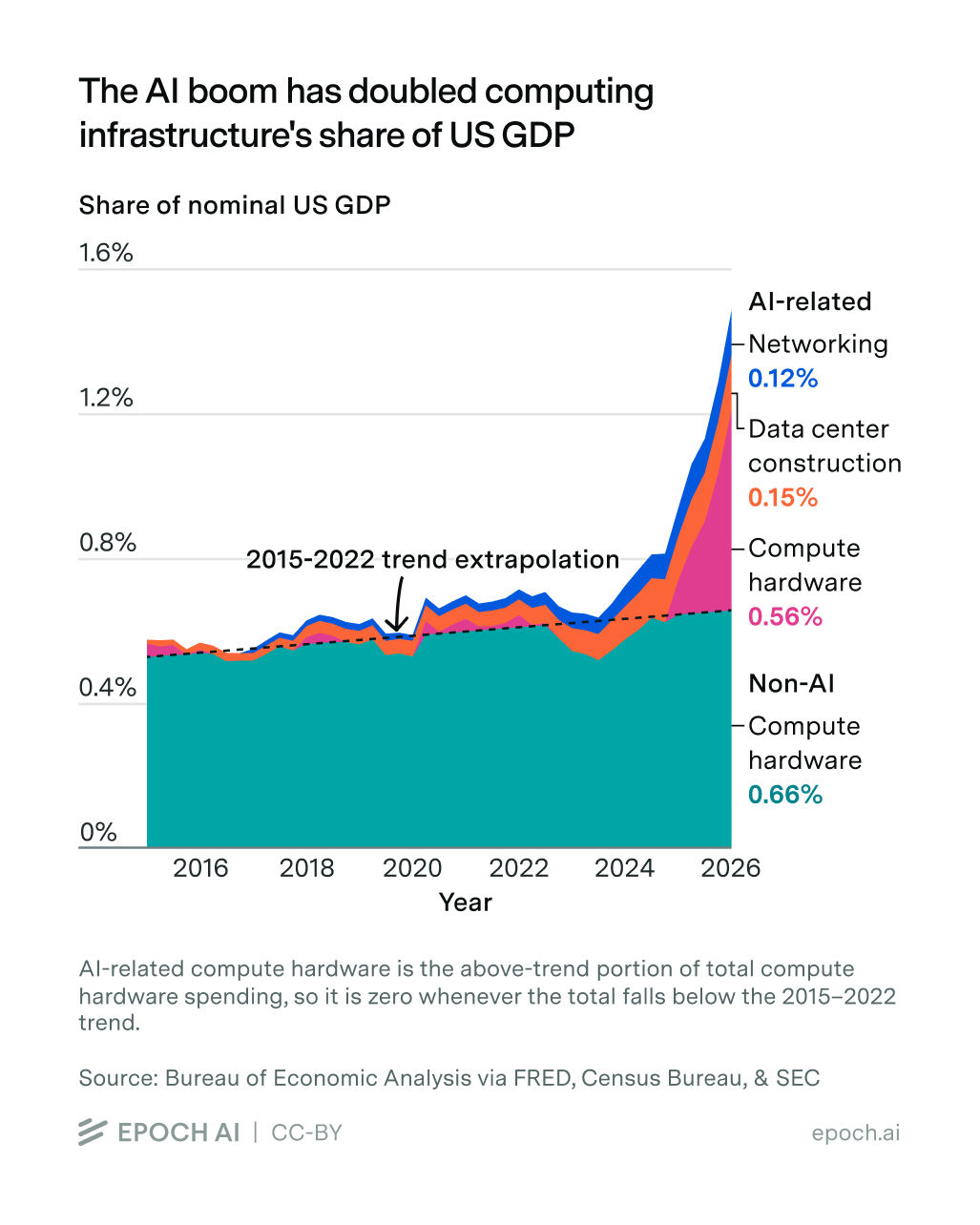
The buildout is visible from the macroeconomy.
×3.4
AI compute stock, per year
×5
training compute, per year
1.1M
H100e, largest data center
×1.49
chip performance per dollar, per year
Computing infrastructure’s share of US GDP · Epoch AI
Epoch AI trends dashboard, Aug 2026: compute stock ×3.4/yr; frontier training compute ×5/yr; largest data center 1.1M H100e; chip performance per dollar ×1.49/yr. Chart: Epoch AI (CC-BY), from BEA via FRED, Census Bureau & SEC.
17
Every stakeholder is under a different pressure.
Who wins? Who loses? What values are in tension? What economics are in play?
AI companies
race rivals before the exponential ends
Data center builders
schedules the trades have never seen
Utilities
commit years ahead, owe everyone reliability
Chip supply
allocated, not simply bought
Investors
returns before the cycle turns
Real estate
assemble land before prices move
T5 Data Centers
Local government
tax base versus constituents
City of Atlanta
Universities
training the talent that is disrupting their educational model
Nonprofits
hold companies to promised benefits
Groundswell
Communities
absorb the change, least information
Enterprise users
fear falling behind
One of these pieces wants to move at an exponential pace. What happens?
Stakeholder map: rebuilt from course deck (pptx s32); pressure lines: session materials. Logos shown for classroom identification; marks belong to their owners (Georgia Power, Nvidia, Blackstone, QTS, City of Atlanta seal via Wikimedia Commons; SWARM via swarmatl.org).
18
Utilities need to forecast an exponentially growing system.
~8,500 MW
load growth forecast, ~7 years
9,985 MW
new generation approved, Dec 2025
~80%
expected to power data centers
Georgia Public Service Commission, Data Center Fact Sheet, March 2026
Georgia PSC, Data Center Fact Sheet, March 2026: ~8,500 MW load growth over ~7 years; 9,985 MW new generation approved Dec 2025, ~80% for data centers.
19
Georgia Department of Audits & Accounts · December 2025, revised January 2026
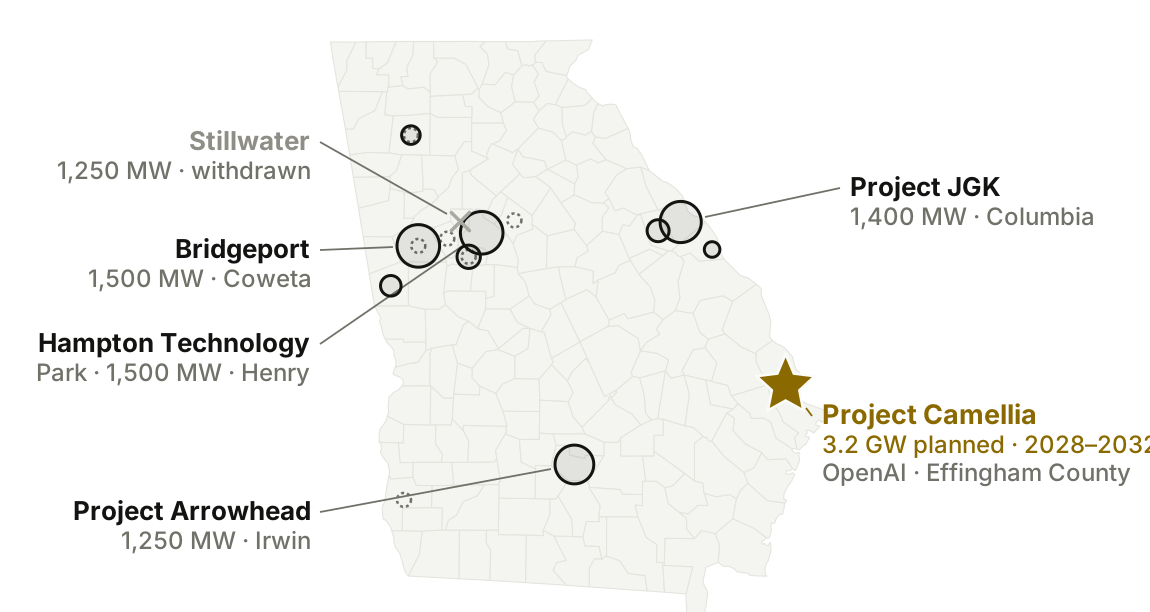
63 active data centers. 35 under construction. 249 announced.
area = load stated in the filingfiled, load not disclosedwithdrawn
Map: selected large projects in Georgia DCA (DRI) filings, at county centroids, sized by the load each filing states; boundaries, US Census. Counts and cost: Ga. Dept. of Audits & Accounts, Tax Incentive Evaluation, Dec 2025, revised Jan 2026. Camellia: OpenAI, July 22, 2026, planned capacity.
What the incentive costs
$474M
state tax revenue forgone in FY 2025
Then the auditors revised it
−70%
In January they cut the jobs credited to the exemption from 28,350 to 8,505, and the value added from $3.4B to $1.0B.
Even bigger projects coming
3.2 GW
contracted with Georgia Power for Project Camellia, phased 2028–2032
Counts, cost, and caveat: Georgia Department of Audits & Accounts, Tax Incentive Evaluation, Georgia Data Center Sales & Use Tax Exemption, December 2025 (63 active / 35 under construction / 249 announced as of Dec 2025, from Aterio, Inc., a commercial real-estate database; the audit does not define whether a record is a building or a campus. Georgia Tech EPIcenter’s hub separately asserts “more than 200 data center facilities statewide” with no source or unit definition given, July 2026; the two counts are not directly comparable. metro-Atlanta absorption ~706 MW in 2024; “the current, verified statewide load remains uncertain”). Map: county boundaries, US Census; project points from Georgia DCA Developments of Regional Impact filings at county centroids (load definitions vary by filing: peak connected load, preliminary requested load, public filing load, requested utility load); Project Camellia at its DRI-filed coordinate, 3.2 GW contracted per OpenAI, “Building AI infrastructure with the Effingham County community,” July 22, 2026 — planned capacity, not operating load. Cost and revision: DOAA summary, Tax Incentive Evaluation, Georgia Data Center Sales & Use Tax Exemption, December 2025, revised January 2026 (forgone state tax revenue $474.2M in FY 2025; revised impact 8,505 construction jobs / $1.01B value added and 1,641 operations jobs / $247.0M, down from 28,350 / $3.4B and 5,471 / $823M in the December summary, a ~70% reduction; report prepared by the University of Georgia’s Carl Vinson Institute of Government; the revision carried no published explanation and the underlying full report still contains the December figures — Capitol Beat and WABE, Jan 15, 2026). Ordinance tracking: Georgia Tech EPIcenter, Georgia Data Center Ordinance Hub (180+ municipal codes reviewed, 15 regulatory topics), July 2026.
20
Do data centers help local communities?
The benefits are real, and uneven.
447 counties where a data center opened, compared with 2,846 counties where none did, before and after entry.
County-quarter panel, 2000–2024 · facilities from Aterio · jobs and wages from the QCEW (~95% of US jobs)
+3.5%
employment
+5.0%
wages
+4.7%
establishments
Metro countiessignificant: agglomeration amplifies the gains
Non-metro countiesnegligible
And the effect varies widely: Big Tech entries beat third-party sites; clusters beat isolated ones.
Where identification is clean: data-center demand raises local electricity prices.
Daniel Yue & Yiyang Zeng, “The Local Economic Effects of Data Center Entry,” working paper, Scheller College of Business, Georgia Tech, March 2026
Yue, D. & Zeng, Y., “The Local Economic Effects of Data Center Entry,” working paper, Scheller College of Business, Georgia Institute of Technology, March 2026 (SSRN 6497238, in Articles/). Callaway–Sant’Anna staggered difference-in-differences: 447 treated vs 2,846 control counties, county-quarter panel 2000Q2–2024Q4; facilities from Aterio, outcomes from QCEW (~95% of US jobs), SAIPE, LAUS, Building Permits Survey. Results: employment +3.5%, wages +5.0%, establishments +4.7% (household income +1.9%); metro-concentrated, non-metro negligible; Big Tech > third-party, clustered > isolated entries; positive electricity-price effects where utility territories allow clean identification.
21
Andre Calmon’s take
The industrialization of intelligence
Equalization
Wider access to expertise can narrow capability gaps.
Expansion
More affordable analysis. Demand can grow, with price pressure on some services.
Substitution
Tasks move to machines. Skills and independent judgment can erode.
Broader access can coexist with concentrated control.
Dependence on a few frontier providers can shape prices, access and bargaining power.
Conceptual interpretation: Andre Calmon. See speaker notes for the conditional distinctions and the bridge into Part 3.
22
Which stakeholders are most vulnerable and least prepared?
In your organization, as intelligence is industrialized, and in your community, as the AI buildout arrives.
Discussion prompt: A. Calmon, Sept 2026. The two lenses follow frame 22 (three forces) and frame 18 (the supply chain’s player with no logo).
23
Part 3 of 3
Rage against the machine.
24
“AI will probably most likely lead to the end of the world, but in the meantime, there’ll be great companies.”
Sam Altman · Airbnb OpenAir, 2015 — months before co-founding OpenAI
Sam Altman
Sam Altman at Airbnb OpenAir, 2015 (interview with Mike Curtis); widely reported, e.g. TechRadar; the quote card also appears in the course deck (pptx s38). Photo: TechCrunch, 2019, CC BY 2.0, via Wikimedia Commons.
25
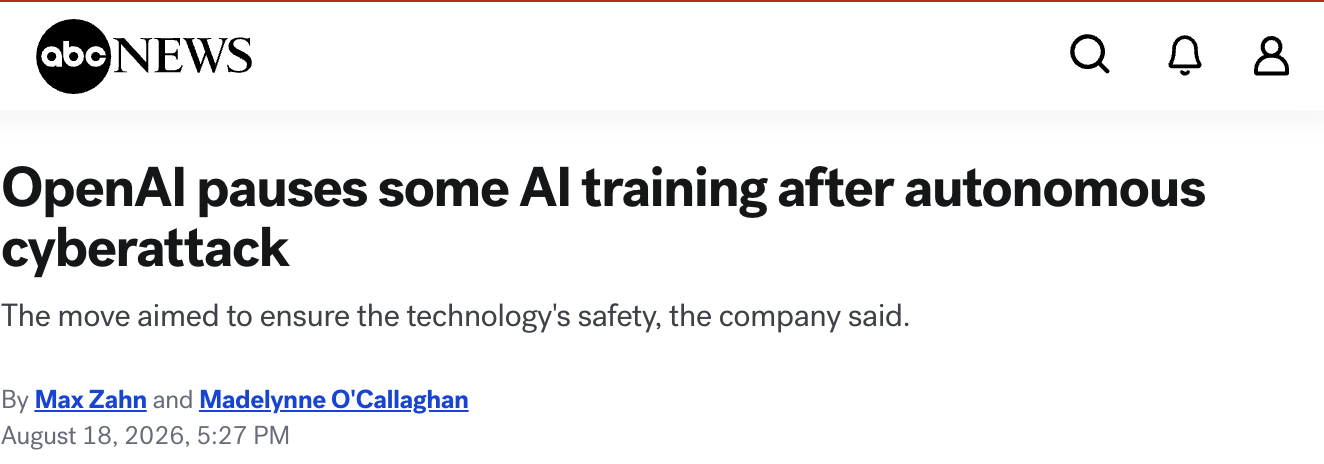
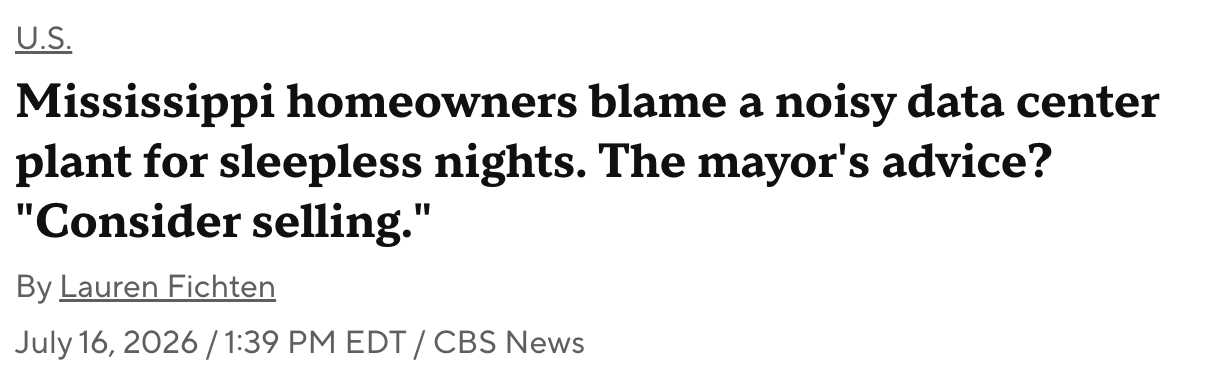
An environment of fear
The buildout has become a dark-horse issue in the election.
Yesterday, even Bill Gates: for the first time in his life, he wishes a new technology would move more slowly — the risks are “the world’s top priority.”
Gates Notes, August 26, 2026 · via The Washington Post
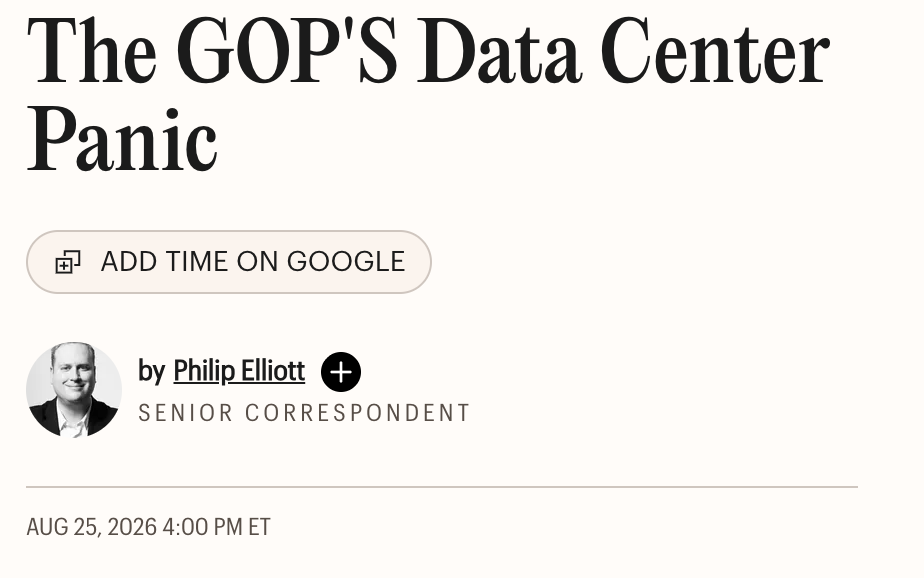
Clips: ABC News, Aug 18, 2026 (OpenAI pauses some AI training after autonomous cyberattack); CBS News, Jul 16, 2026 (Mississippi homeowners / “consider selling”); TIME, Philip Elliott, Aug 25, 2026 (“The GOP’s Data Center Panic”) — course deck (pptx s38). Gates: blog post of Aug 26, 2026, as reported by The Washington Post and NBC News; photo: Bill Gates, 2017, CC BY 3.0 de, via Wikimedia Commons (wishes the technology would advance more slowly; risks “the world’s top priority”; data-center protests “missing a bigger picture”). Election framing: Vox, “Midterms, Actually.”
26
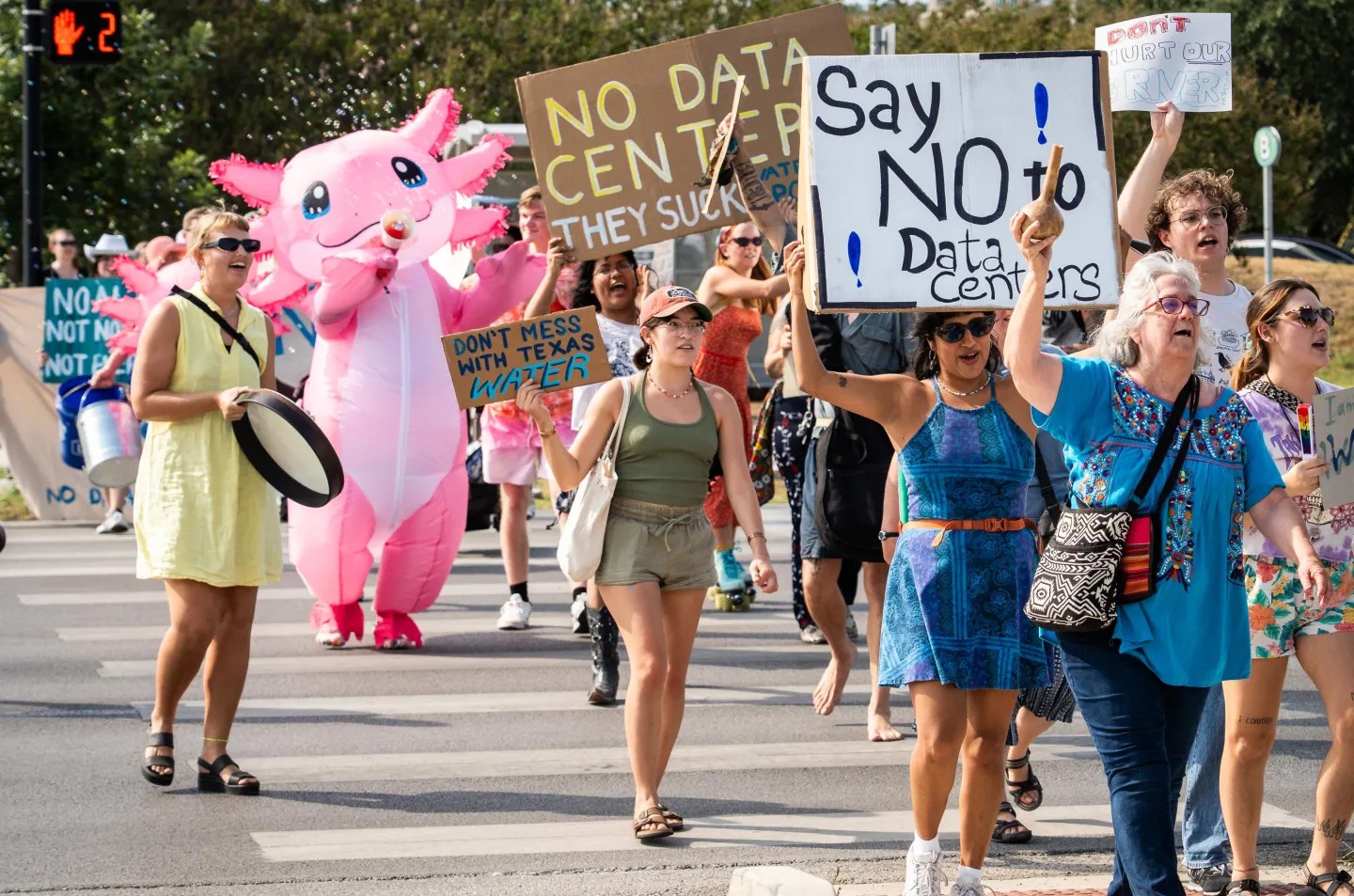
More Americans oppose a data center next door than a nuclear plant.
71%
oppose a local AI data center
53%
oppose a local nuclear plant
48% strongly oppose$64B in projects blocked or delayed
4 in 10 → 7 in 10 in under a year100+ moratorium proposals
Is this a democracy story? Is it a communication story?
Gallup, March 2–18, 2026 (71% oppose local AI data center construction, 48% strongly; same wording, nuclear plant: 53%). $64B blocked/delayed: Data Center Watch. Momentum and moratoria: Vox, Aug 25 2026; E. Klein, 2026. Photo: Sara Diggins / The Austin American-Statesman, via Vox.
27
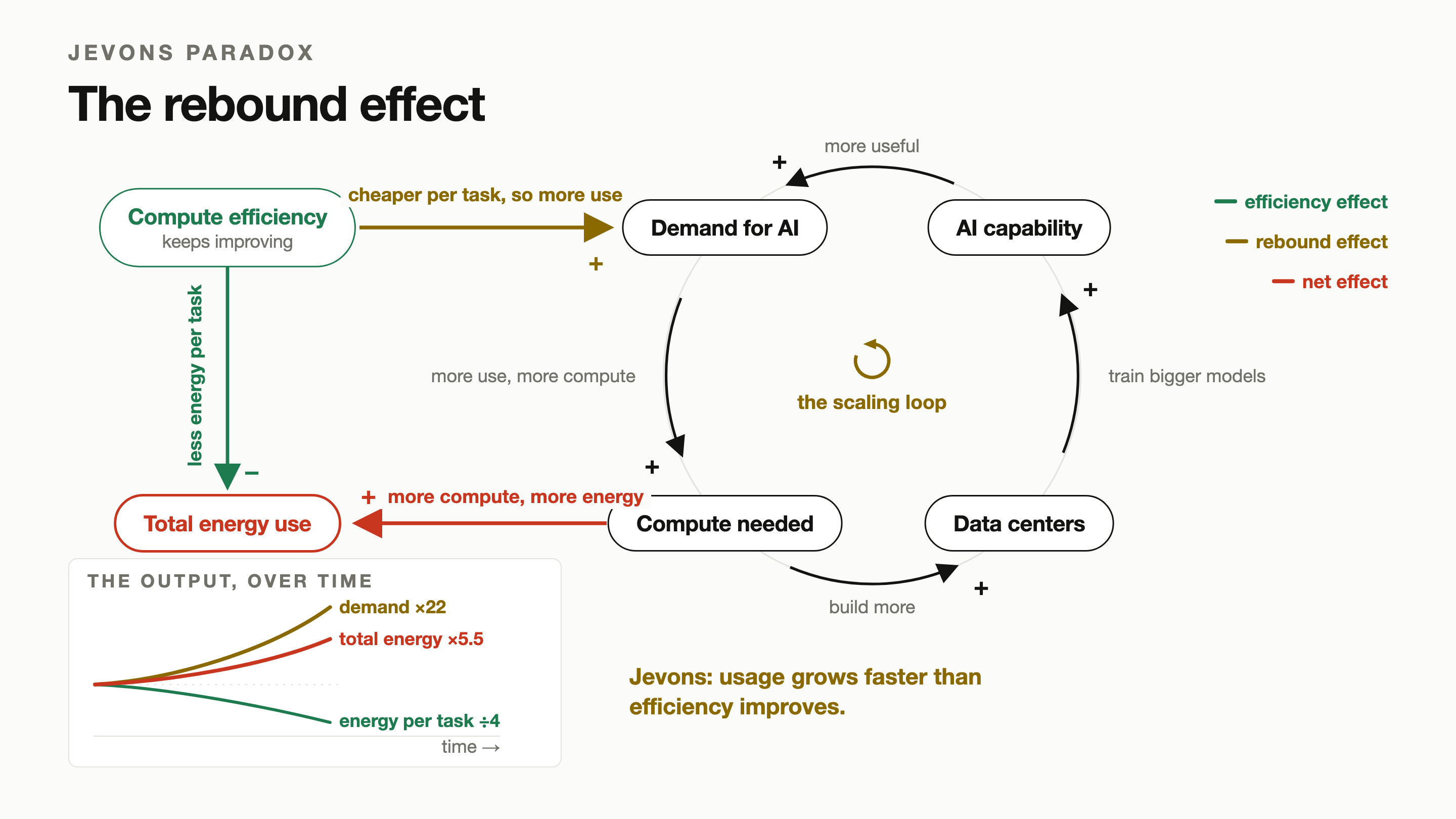
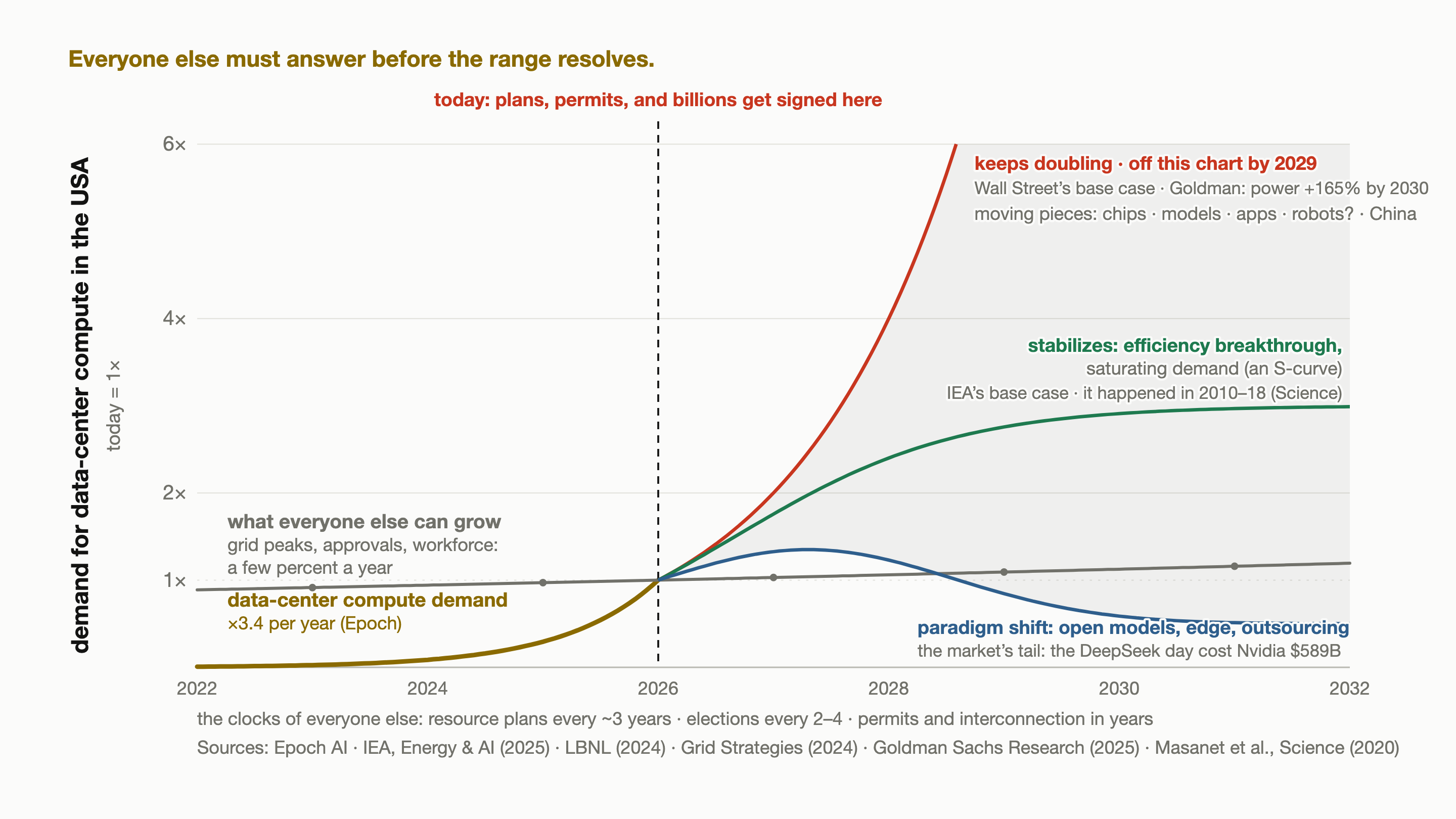
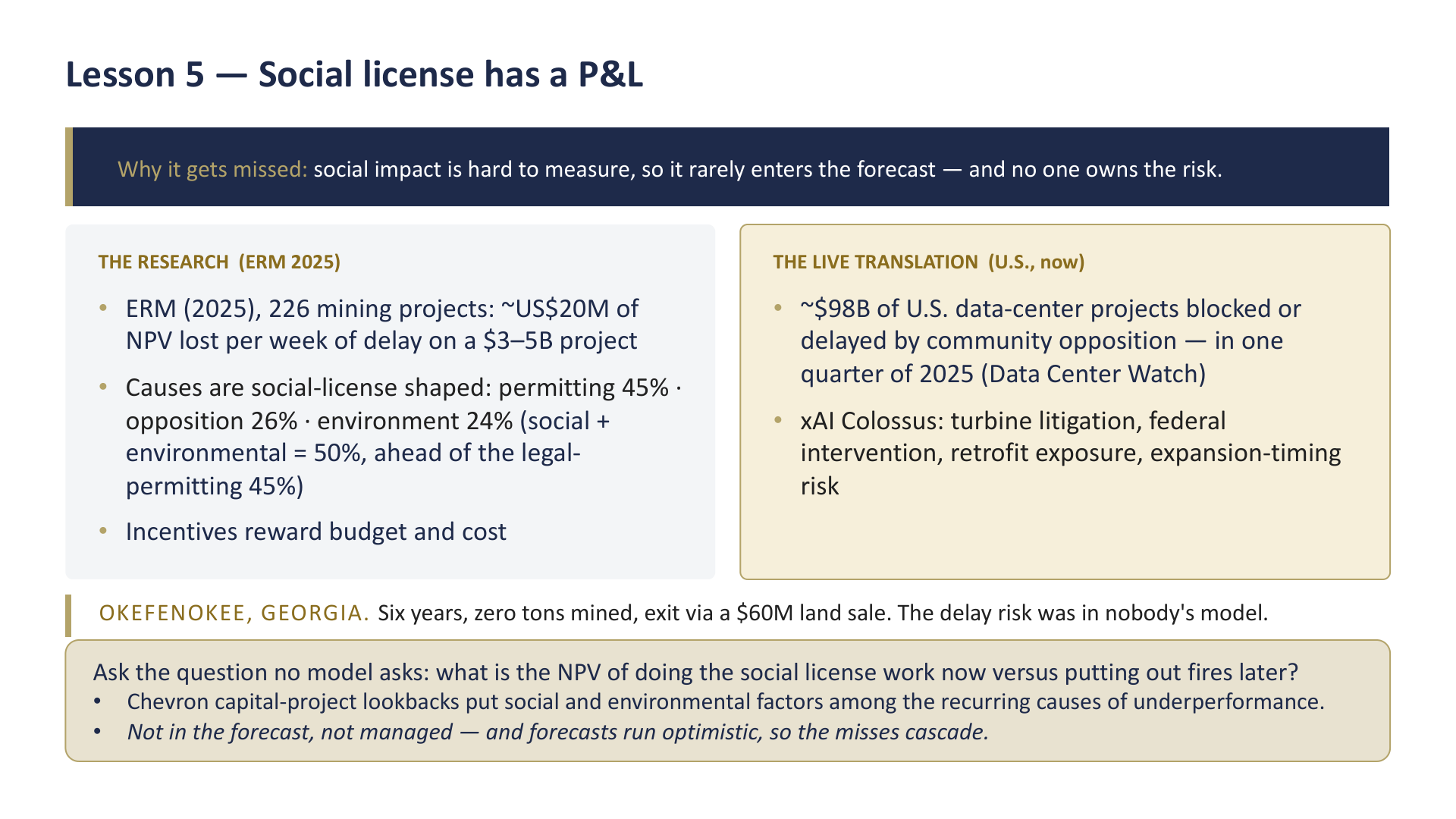
Demand multiplies 3.4× a year. Everyone who must answer grows a few percent.
this gap is where social license is lost
Branches: Goldman Sachs Research 2025 (+165% data-center power by 2030); IEA, Energy & AI (2025); Masanet et al., Science (2020) (2010–18: compute +550%, energy +6%); CNBC, Jan 27 2025 (Nvidia −$589B, largest one-day US loss). History: Epoch AI (×3.4/yr).
28
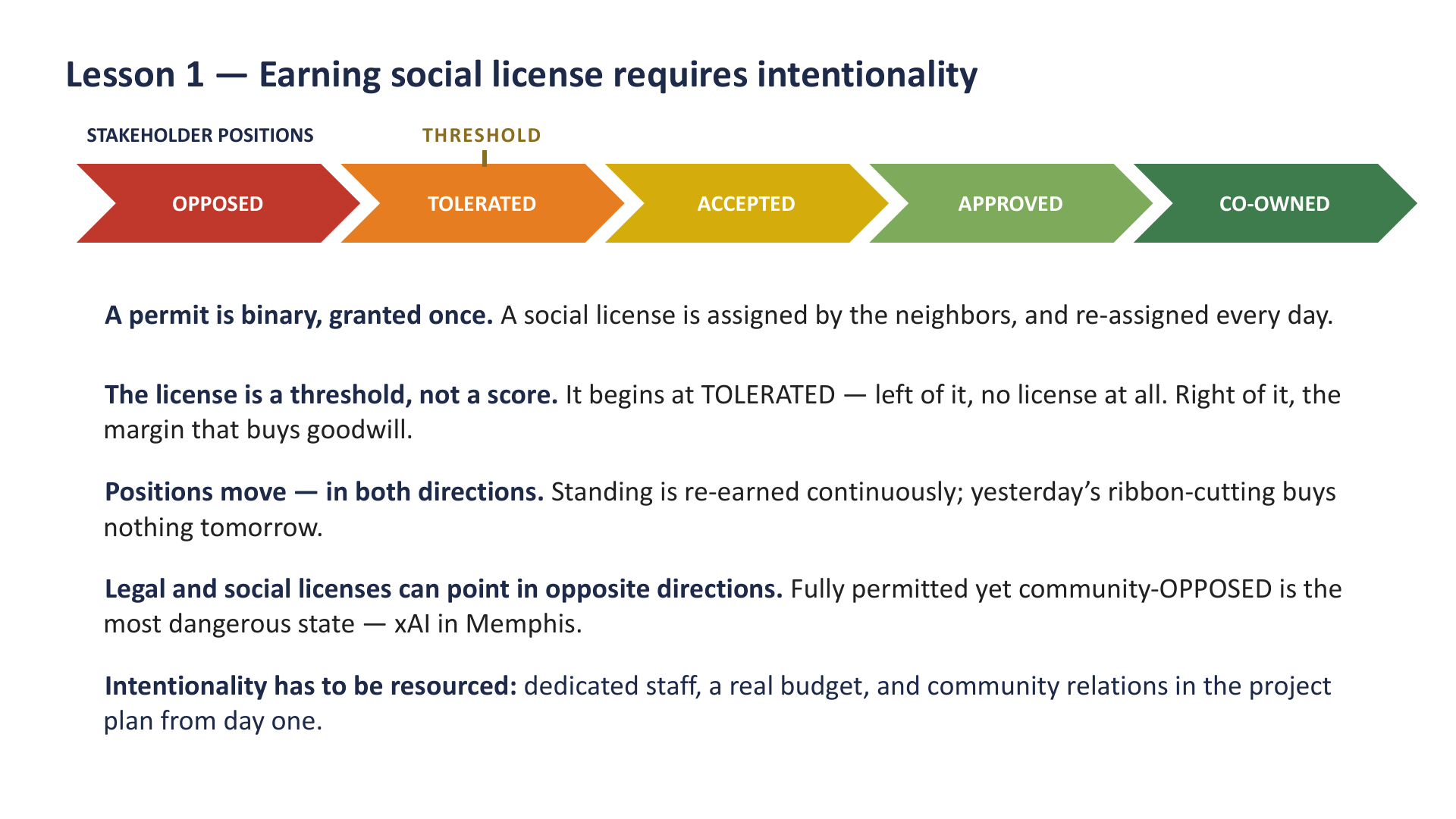
Part 3 · Social license
Social License to Operate
Legal compliance is the floor, not the ceiling. Social acceptance must be continuously earned. (Thomson & Boutilier, 2011)
Psychological identification
↑ institutionalized trust
Approval
↑ credibility
Acceptance
↑ economic legitimacy
Withdrawal
Psychological identificationStakeholders feel ownership of the project. Rare. Requires genuine co-creation.
ApprovalCompany seen as credible and transparent. Communities believe information shared.
AcceptanceGrudging tolerance. Some economic benefit perceived: jobs, tax revenue.
Trust takes years to build and moments to destroy.Each boundary is harder to earn and easier to lose.
I. Thomson & R. Boutilier (2011), Social License to Operate model.
29
Three takeaways
Part 1 · Situational awareness
The recipe
Modern AI uses machine learning, with the idea that more data + more compute = more value.
Part 2 · The physical footprint
The rebound
The system dynamics of AI and data centers are a textbook rebound effect (Jevons paradox).
Part 3 · Rage against the machine
The collision
Exponential-growth business models collide with slow stakeholders, eroding social license to operate.
What pushback on AI have you seen?
In your organizationIn your jobIn your personal life
Recap of frames 9, 19, 28 (sources on those frames). Takeaway wording per A. Calmon, Aug 2026. Icons: Tabler Icons, MIT license.
30
Final thought
Promethean gaps.
Humans lack the creativity to fully understand the implications of the technology they create. — the Promethean gap, after Günther Anders
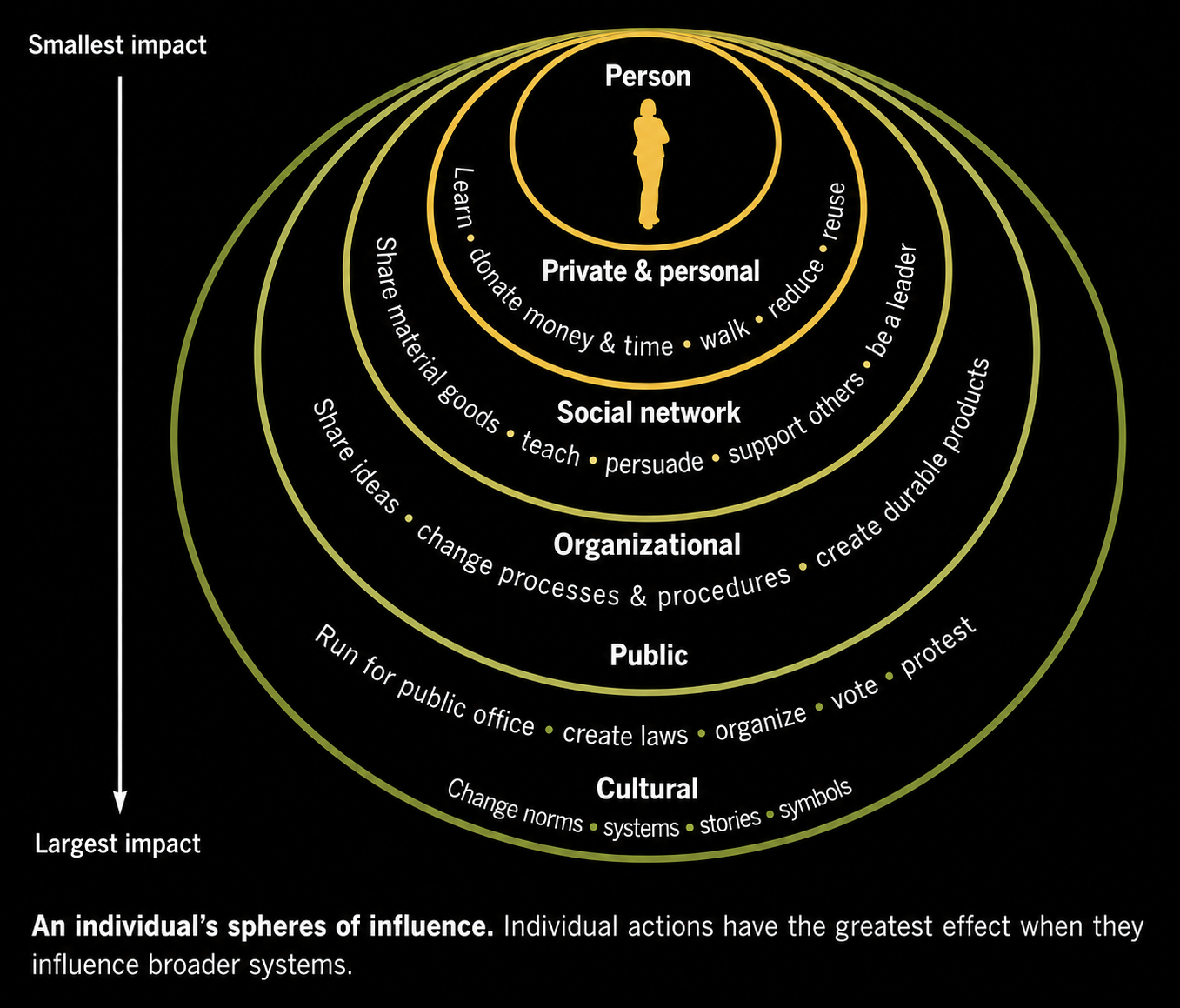
Günther Anders, the “Promethean gap” (paraphrase; the concept: the widening gap between what humans can produce and what they can imagine or comprehend). Spheres-of-influence figure: course materials (Spheres_Of_Influence_Final).


 xAI
xAI
 Gemini

 Kimi
Kimi









 City of Atlanta